
15 Safe Houseplants for Cats and Dogs
Updated 2026 guide to non-toxic houseplants for cats and dogs: safe vs toxic plants, scientific names, and care tips.
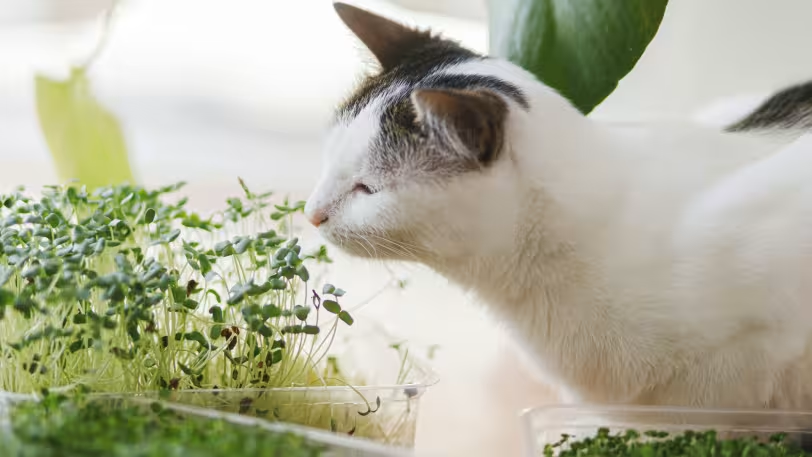
For pet owners, choosing non-toxic houseplants for cats and dogs is extremely important. The wrong plant choices can lead to serious health issues, while the right ones help create a space that is both stylish and safe. With this updated 2026 list, we’ve compiled plants you can safely grow at home, along with a detailed distinction between toxic and non-toxic options.
Why Is Plant Selection Important for Pets?
Cats and dogs, due to their curious nature, may chew on plants. This can cause poisoning in some species. That’s why choosing pet-friendly plants is a vital precaution.
The Difference Between Toxic and Safe Plants
- Safe plants: Harmless if ingested
- Toxic plants: Can cause vomiting, diarrhea, and serious poisoning
15 Non-Toxic Houseplants for Cats and Dogs
1. Hoya (Hoya carnosa)
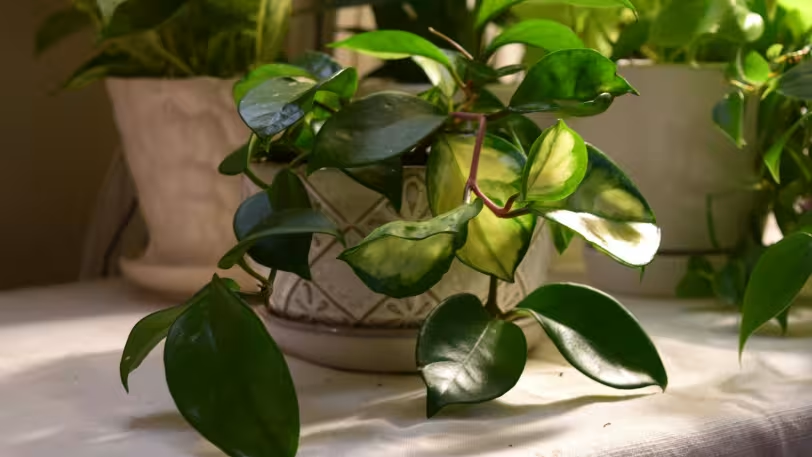
With its thick, waxy leaves that retain water, Hoya is a very low-maintenance plant. It thrives in indirect light and does not require frequent watering. Its star-shaped flowers emit a pleasant fragrance. It is among pet-friendly plants and is ideal for busy individuals.
2. Venus Flytrap (Dionaea muscipula)
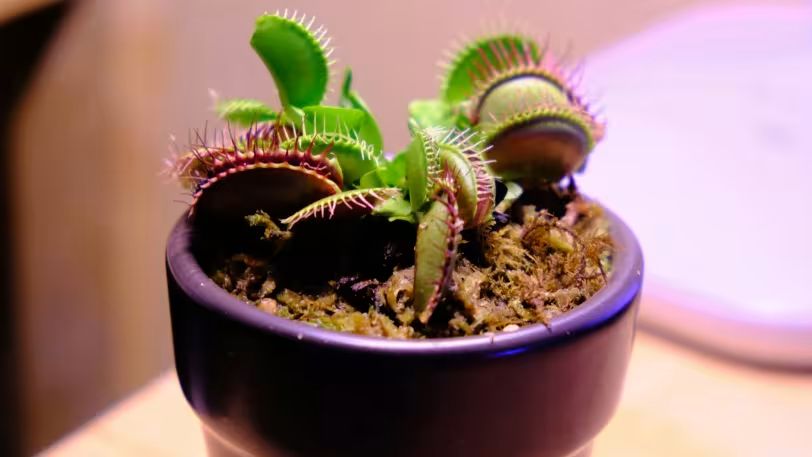
Although it is a carnivorous plant, it is harmless to pets. It requires moist soil and plenty of light. It feeds by trapping small insects, but this mechanism does not harm pets. Its unique structure makes it a decorative and eye-catching choice.
3. Spider Plant (Chlorophytum comosum)
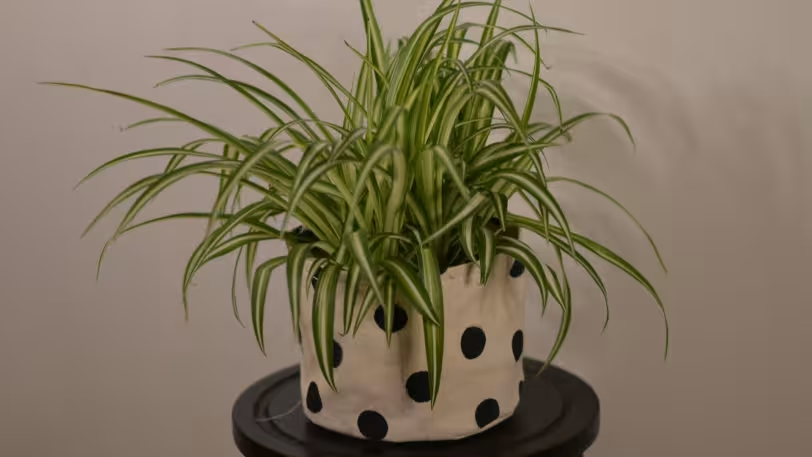
The spider plant grows quickly and produces offshoots. It is known for its ability to purify indoor air. It can survive even in low light and is tolerant of watering mistakes. It is one of the most reliable options for those looking for non-toxic houseplants for cats and dogs.
4. Hibiscus (Hibiscus rosa-sinensis)
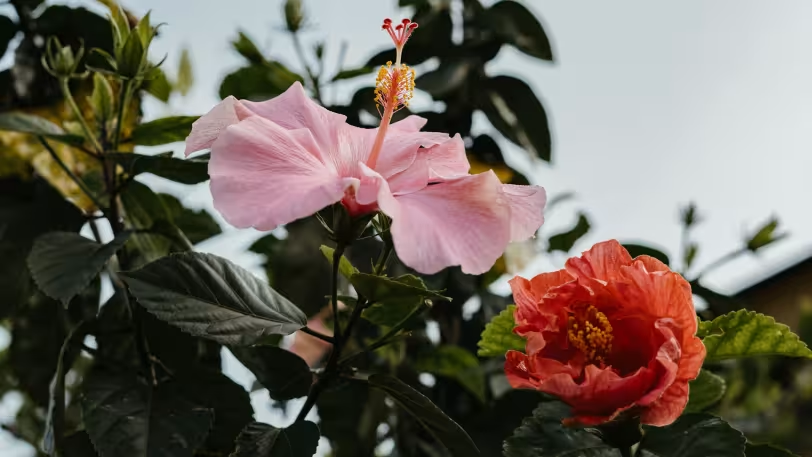
Known for its large and vibrant flowers, hibiscus thrives in sunlight. It requires regular watering and a warm environment. During its blooming season, it brings a tropical atmosphere to any space. It stands out as a safe option for pets.
5. Parlor Palm (Chamaedorea elegans)
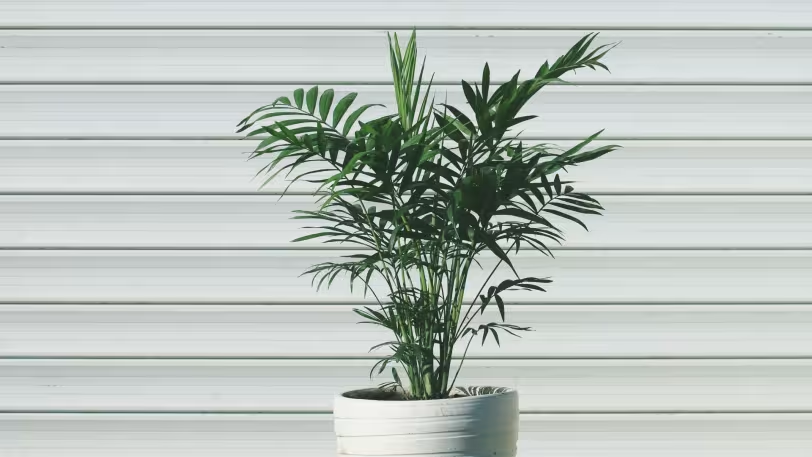
Thanks to its ability to survive in low light, it is a favorite for offices and living rooms. Its delicate, elegant leaves provide a decorative touch. It also helps maintain indoor humidity levels. It is one of the most popular pet-friendly plants among palms.
6. Staghorn Fern (Platycerium bifurcatum)
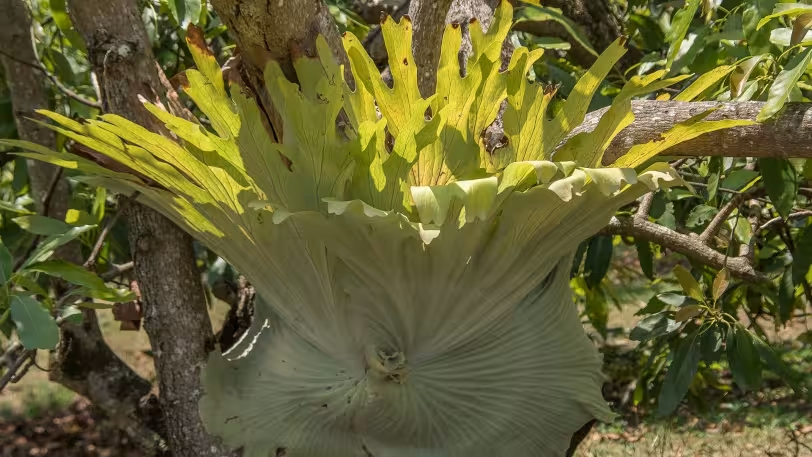
This plant can be mounted on walls and stands out with its unusual form. It prefers high humidity and indirect light. Its ability to grow on surfaces other than soil makes it unique. It is completely safe for pets.
7. Christmas Cactus (Schlumbergera bridgesii)
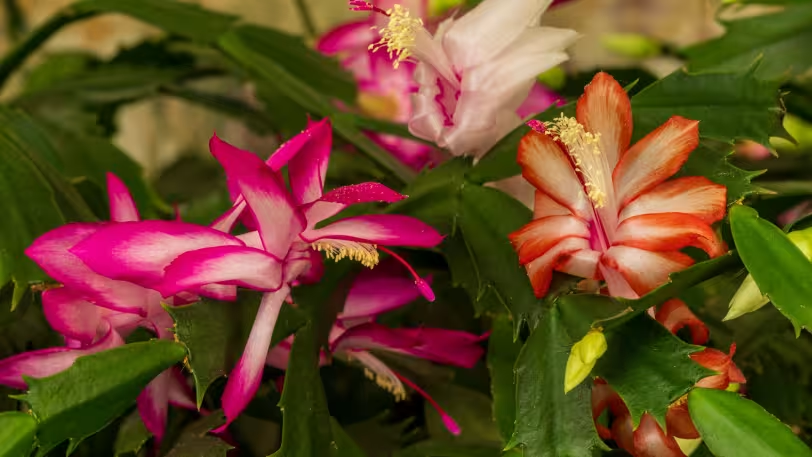
Known for blooming in winter, this plant is valued for its low maintenance needs. It does not require direct sunlight and thrives with moderate, regular watering. Its flowers can appear in shades of pink, red, and white.
8. Boston Fern (Nephrolepis exaltata)
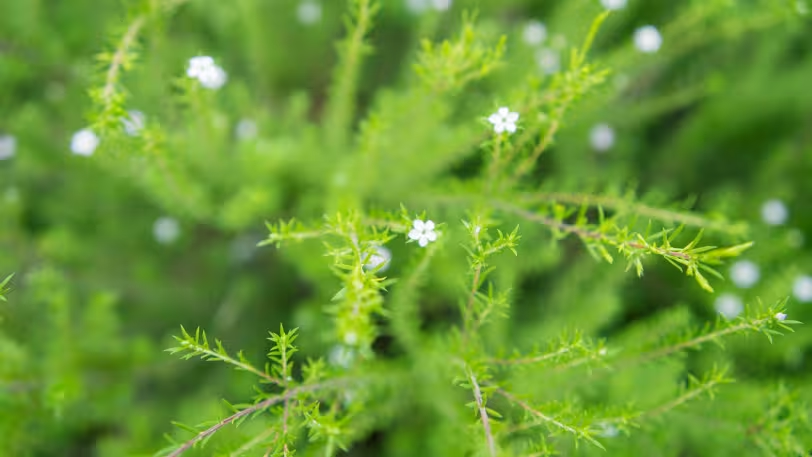
This plant loves high humidity, making it ideal for bathrooms and damp environments. Its lush leaves add natural volume to any space. Regular misting helps it thrive, and it is non-toxic to pets.
9. African Violet (Saintpaulia ionantha)
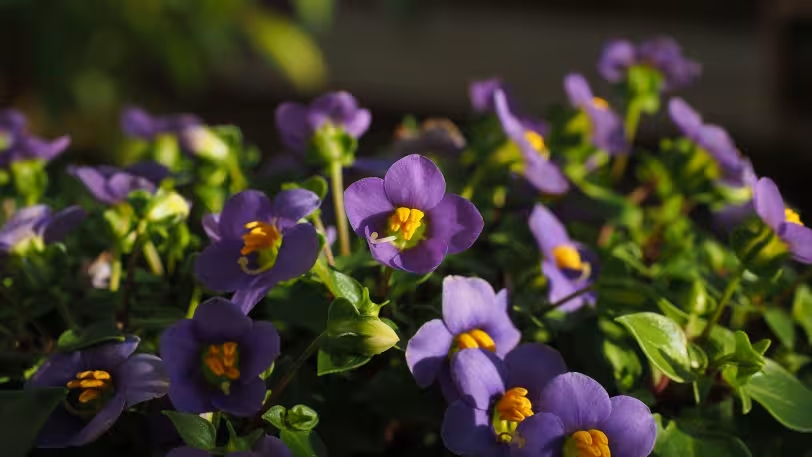
Despite its small size, it is one of the rare plants that can bloom year-round. It grows well in indirect light, and its leaves should not get wet. Its compact structure makes it perfect for small spaces.
10. Haworthia (Haworthiopsis attenuata)
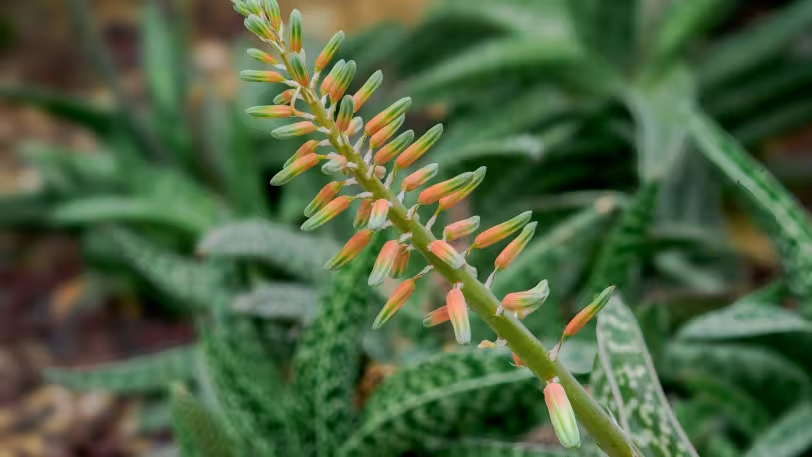
This succulent stores water, so it requires minimal watering. Although it is often confused with aloe vera, it is non-toxic. It is frequently used in modern decor.
11. Areca Palm (Dypsis lutescens)
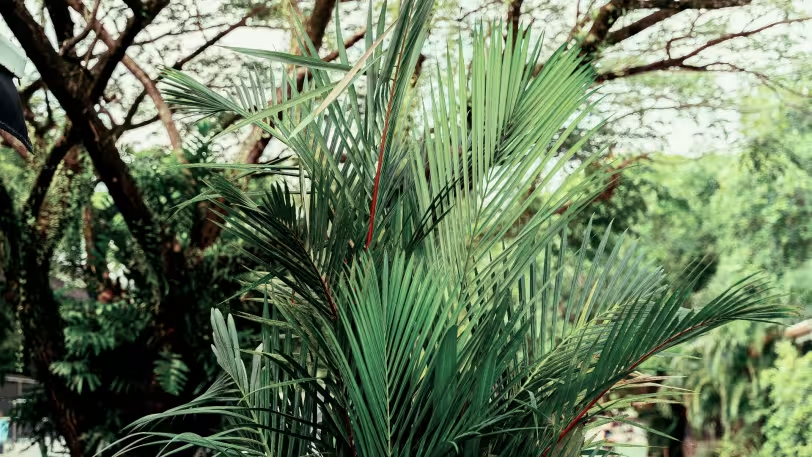
Its light green leaves create a refreshing atmosphere. It loves sunlight, but direct exposure can damage its leaves. It is an ideal indoor plant for larger spaces.
12. Calathea (Calathea spp.)
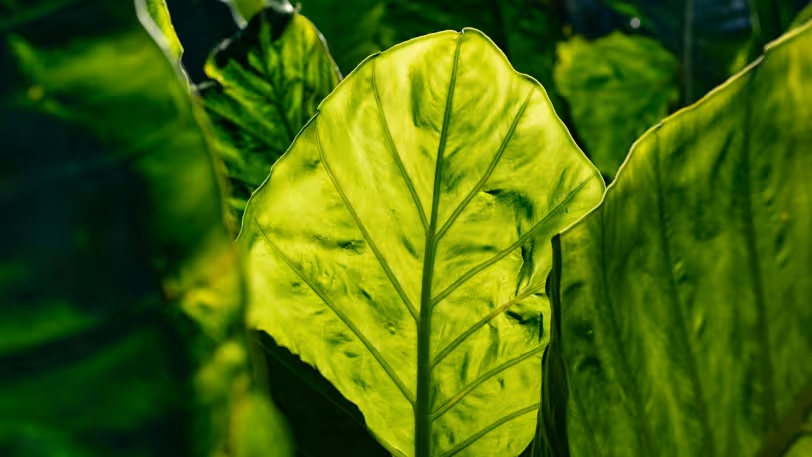
Highly decorative with its patterned and dynamic leaves. It is known for closing its leaves at night. It prefers humid environments and requires regular care. It is a safe choice in the non-toxic houseplants for cats and dogs category.
13. Peperomia (Peperomia obtusifolia)
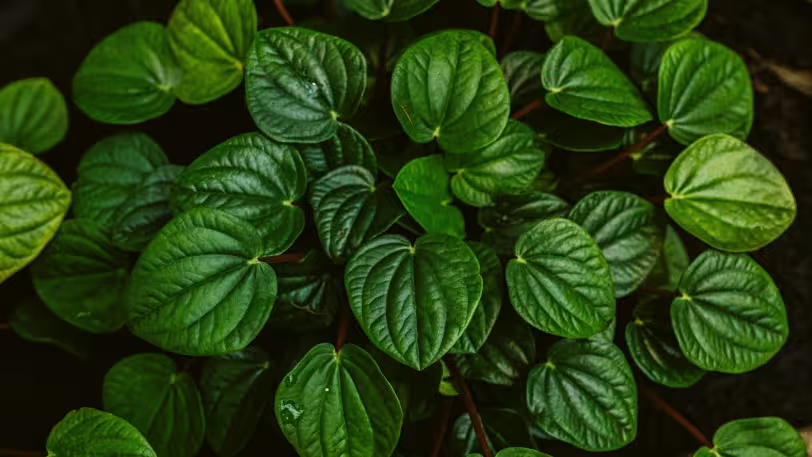
With its thick leaves and compact form, it is ideal as a tabletop plant. It can survive in low light and requires minimal care. It is a great choice for beginners.
14. Fittonia (Fittonia albivenis)
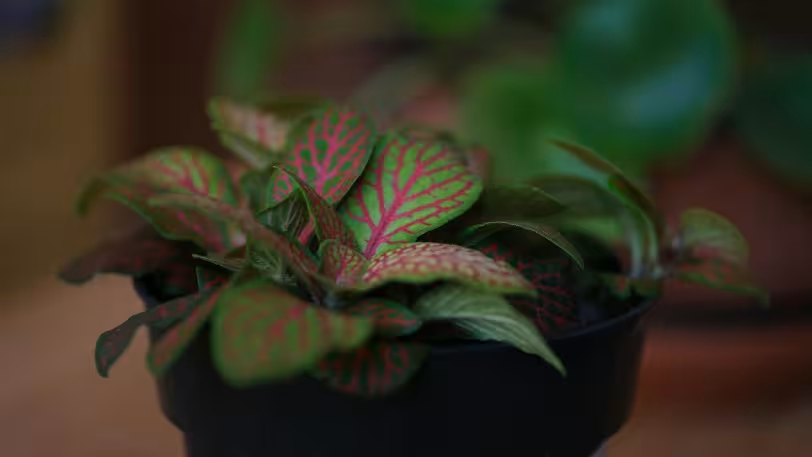
Known for its colorful veined leaves, this plant is often grown in terrariums. It prefers humid environments and reacts quickly to lack of water. It is small but highly decorative.
15. Prayer Plant (Maranta leuconeura)
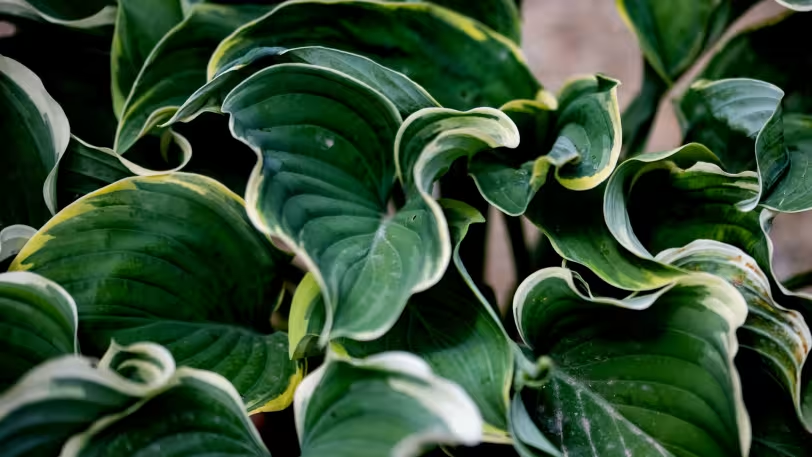
Also known as the prayer plant, it folds its leaves upward at night. It thrives best in indirect light and high humidity. Its pet-safe nature makes it a popular choice.
How to Ensure Harmony Between Plants and Pets at Home?
Choosing non-toxic houseplants for cats and dogs alone is not enough. Placing plants out of reach and providing pets with distractions like toys is also important.
- Place plants on high shelves
- Provide alternative chew toys for pets
- Research new plants before bringing them home
Conclusion
With pet-friendly plants, it is possible to create a living space that is both stylish and safe. The updated 2026 list helps you make informed choices and protect your pets’ health.